Why Central Banks Buy Gold and What It Means for Prices
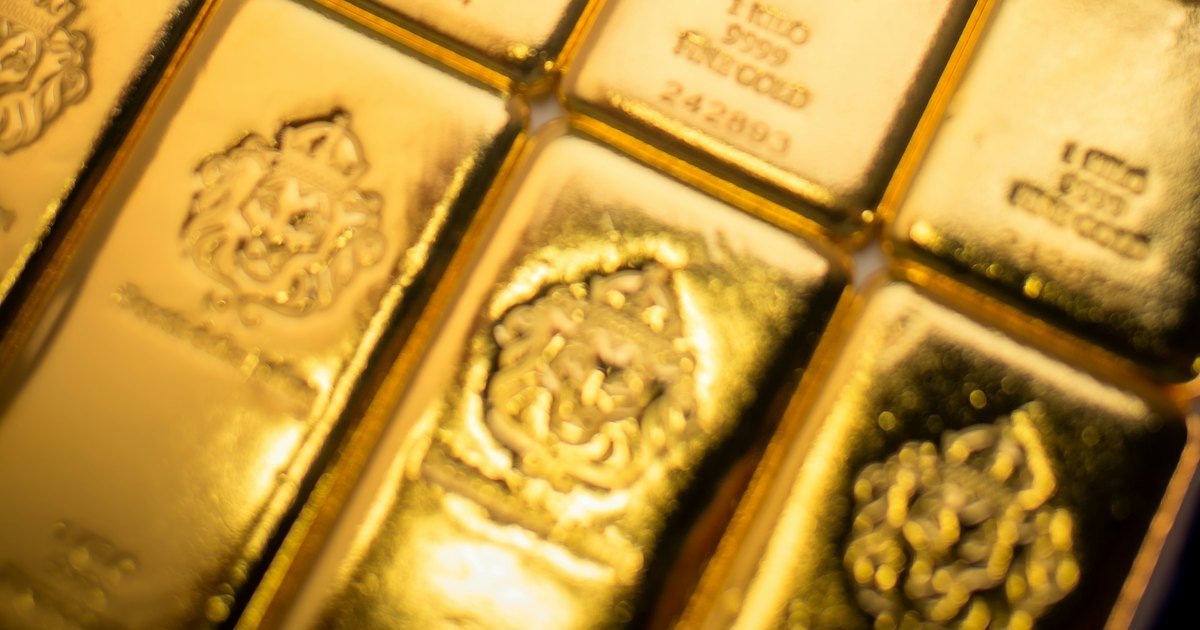
Gold buying is usually associated with families, brides and small savers, but some of the biggest buyers in recent years have been central banks. According to the World Gold Council, an industry body that tracks supply and demand, they bought more than 1,000 tonnes in each of 2022, 2023 and 2024, a record pace.
This guide explains why countries hold gold at all, how central banks went from sellers to buyers, the reasons usually given for the buying spree, how it affects prices, and which lessons apply to an ordinary buyer in the Gulf and which do not.
Gold in official reserves
Central banks hold reserves of foreign currencies, bonds and gold to support their currencies, cushion crises and meet a country's foreign obligations. The International Monetary Fund counts monetary gold as an official reserve asset, alongside foreign currency and Special Drawing Rights.
Official holdings are estimated at more than 35,000 tonnes, roughly a sixth of all the gold ever mined, according to World Gold Council estimates. Much of it is a legacy of the gold standard era, when currencies were backed by the metal.
The share of gold in reserves varies widely. In some large Western economies gold makes up more than half of reserves, while in many emerging economies its share has been far smaller, a gap often cited to explain why those countries have been buying.
From sellers to buyers
Central banks have not always been on the buying side. In the 1990s and early 2000s several European central banks sold large amounts, and in 1999 a group of them signed an agreement to cap their sales so as not to swamp the market.
The tide turned after the 2008 global financial crisis, and central banks as a group have been net buyers every year since 2010. The pace then jumped: the World Gold Council reports purchases of more than 1,000 tonnes a year in 2022, 2023 and 2024, roughly double the typical level of the previous decade. Most of the demand came from emerging-market central banks in Asia, the Middle East and Eastern Europe.
Not every purchase is announced promptly or in detail, so the council's totals include an estimate for unreported buying. For the latest figures, check its quarterly Gold Demand Trends report.
Why central banks buy gold
Central banks rarely spell out their motives in full, but the reasons that recur in their statements and in the World Gold Council's annual survey of central banks include:
- Diversifying away from the dollar. More than half of the world's foreign currency reserves are held in dollars, according to IMF data. Gold reduces dependence on a single currency and a single economy.
- Sanctions risk. After a large share of a major economy's foreign reserves was frozen in 2022, several countries became more interested in an asset they can keep within their own borders, outside other countries' financial systems.
- No default risk. A bond is a promise to pay by a government or company. Gold is nobody's liability, so there is no issuer that can fail to pay.
- Confidence and crisis performance. Gold has tended to hold its value in turbulent times, and holding it can bolster confidence in a currency and a financial system.
- A long-term store of value. No country can print it or decide to increase its supply.
Some central banks have also moved part of their gold home from vaults abroad in recent years, a trend driven by similar concerns about direct control.
How central bank buying affects the price
To get a sense of scale, here is a simple calculation using a hypothetical gold price:
| Item | Approximate value |
|---|---|
| Annual purchases | 1,000 tonnes |
| In troy ounces | About 32.15 million |
| Value at an illustrative 4,000 dollars an ounce | About 129 billion dollars |
| In dirhams (3.6725 per dollar) | About 472 billion dirhams |
| Share of annual mine output (about 3,600 tonnes) | More than a quarter |
That buying made up around a fifth of global gold demand in those years, according to council figures. Its character matters as much as its size. Central banks tend to buy steadily, with long horizons, and do not rush to sell when prices rise, unlike jewellery demand, which often falls when prices jump.
Many analysts see this demand as a key reason gold held up and then set records despite high US interest rates, a puzzle explored in our guide to interest rates and gold. But central bank buying does not prevent falls. Prices can drop sharply within weeks because of the dollar, rates or profit-taking, and some central banks sell at times to support their currency or raise cash.
What it means for you as a buyer in the Gulf
It is tempting to think that if central banks are buying, you should be too. But their position is very different from yours:
| Aspect | Central bank | Individual buyer |
|---|---|---|
| Goal | Securing and diversifying reserves | Saving, wearing, or an occasion such as a wedding |
| Time horizon | Decades | May need the money within a few years |
| Form | Large bars of about 400 ounces, roughly 12.4 kg each | Jewellery, or small bars and coins |
| Cost | Close to the global price | Making charges, the buy-sell gap, and VAT on jewellery |
| Share held in gold | Part of reserves, not all | Depends on your finances and goals |
- Central bank demand is a supportive factor over the long term, but it does not guarantee higher prices or shield you from swings.
- If you are saving, watch your costs: making charges on jewellery and the gap between buying and selling prices can take a large bite out of any gain.
- Borrow the idea of diversification: for central banks gold is one part of a wider portfolio, not the whole of it.
- Check the live gold rate in the UAE before you buy, and compare more than one shop.
This is general information, not investment advice or a recommendation to buy or sell gold.
Frequently asked questions
Does central bank buying mean the gold price will rise?
No. It supports demand, but it is one factor among many, and prices can fall even while it continues if the dollar strengthens, real interest rates rise or investors sell. The pace of central bank buying itself also changes from year to year.
How do we know how much gold central banks buy?
Many central banks report their holdings to the IMF regularly. The World Gold Council compiles that data, adds estimates for unreported purchases and publishes the results each quarter, so figures are sometimes revised as new information appears.
Could central banks sell their gold and push the price down?
It is possible and has happened, as with the European sales of the 1990s. Official sales are usually gradual, and they are often announced or show up in the data. Some central banks sell for local reasons, such as supporting their currency, without necessarily changing the overall trend.
Central banks have become major players in the gold market. Understanding their motives helps you read the headlines calmly, but your own decisions should start from your goals, not theirs.