Gold Making Charges Explained
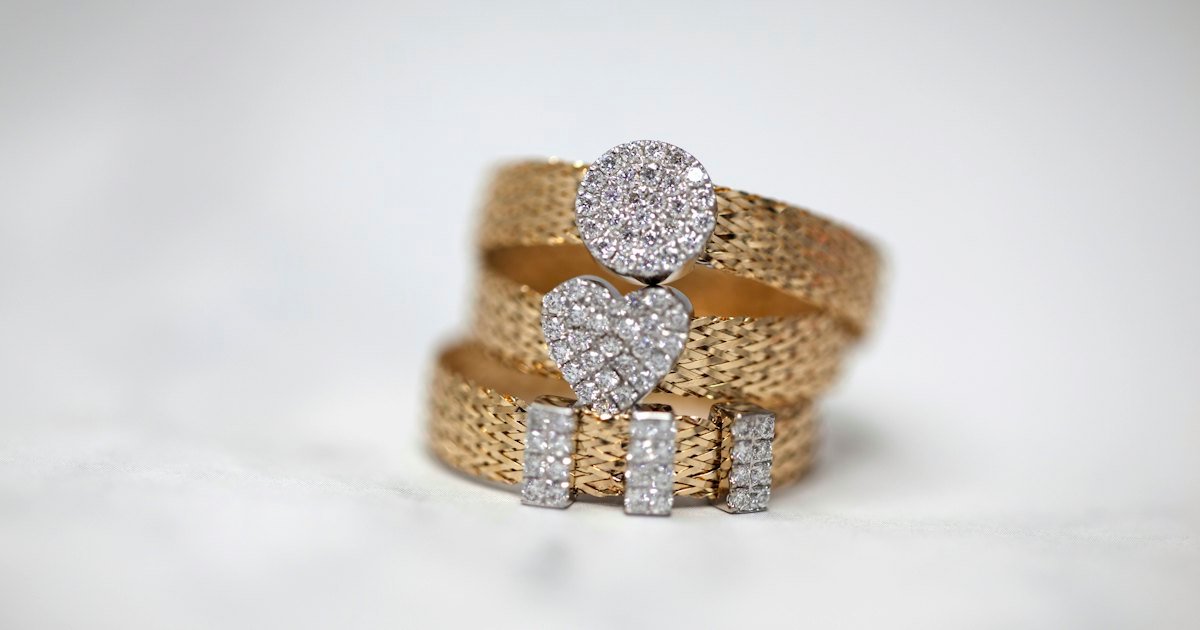
Many buyers are surprised that a piece costs much more than "today's gold price". The gap is mostly the making charge — the cost of designing and crafting the piece. Understanding it can save you a lot when buying and selling.
What is a making charge?
It covers turning raw gold into a finished item — design, crafting, polishing and setting — plus the shop's costs. It is usually quoted either as a fixed amount per gram or as a percentage of the gold value.
Worked example
You buy a 20 g 21K bangle. The 21K gram price today is 400 AED and the making charge is 30 AED per gram:
- Gold value: 20 × 400 = 8,000 AED.
- Making charge: 20 × 30 = 600 AED.
- Total before tax: 8,600 AED.
- UAE VAT (5%): 430 AED.
- Final price: 9,030 AED.
Why making charges differ
- Intricate and handmade designs cost more than simple pieces.
- Gem-set items include the cost of setting the stones.
- Well-known brands usually charge more.
- Bars and coins carry very low making charges compared with jewellery.
Making charges when you sell
When you sell used gold, shops usually pay only the raw gold value, sometimes minus a small deduction, and the making charge you paid is not recovered. If saving is your goal, low-charge items such as bars and coins make more sense.
Negotiation tips
- Ask for the making charge separately from the gold price and have it itemised on the invoice.
- Compare several shops for the same weight and karat.
- Making charges are often negotiable, especially for larger purchases.
- Check the gram price used in the calculation against the live price on our price page.
In short: gold prices are similar across shops because they follow the global price — the making charge is where real comparison and savings happen.