How to Read a Gold Invoice, Line by Line
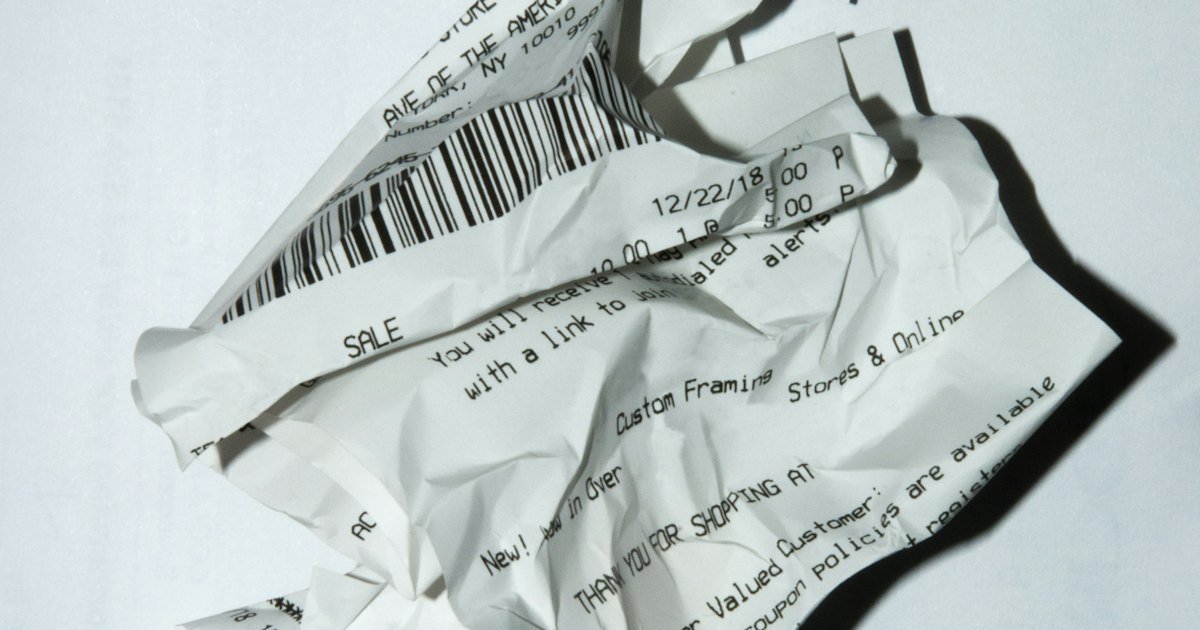
A gold invoice is more than a receipt. It is the document that proves exactly what you bought, from the karat and weight to the price, the making charge and the tax, and most disputes with a shop, whether on the day or years later, are settled by a clear one.
This guide goes through a typical invoice line by line, explains what it should include in the UAE and Saudi Arabia, walks through a worked example with hypothetical numbers, and ends with why, and how, to keep it safe.
Shop and invoice details
At the top you should find the shop’s name and address, its trade licence or commercial registration number and, if it is VAT-registered, its tax registration number. Then come the invoice number and date, and often the salesperson’s name or code.
In the UAE the tax registration number is called the TRN, and the document should be headed “Tax Invoice”. In Saudi Arabia, VAT-registered businesses issue invoices electronically, and the simplified invoice given to shoppers normally carries a QR code. These details show that the VAT you paid is recorded against an identifiable business.
Item description and karat
This line describes what you bought: the type of item (bangle, chain, ring or set), its colour if it is white or rose gold, and sometimes the shop’s design code or barcode. Check that it matches what is in your hand, especially when you buy several pieces.
Next comes the karat, written as 21K or as the fineness number 875. It must match the hallmark on the piece, because the gram rate depends on it. A wrong karat means every figure that follows is wrong too.
Gross weight and net weight
Gross weight is the whole piece on the scale, including stones, beads and any non-gold parts. Net weight is the gold alone after those are deducted, and it is the weight that should be multiplied by the gram rate.
If a gem-set piece is charged at the gold rate on its gross weight, you are paying gold prices for stones that may be worth far less. In Saudi Arabia, Ministry of Commerce rules require the precious-metal weight to be shown separately when other materials exceed 5% of the item’s weight. It is also worth asking whether the making charge was worked out on the gross or the net weight.
Gram rate and gold value
This line shows the rate per gram the shop applied at the time of sale, and the gold value it produces when multiplied by the net weight. Compare it with the rate posted in the shop and with our live 21K gold price; right now our estimate for 21K is 420.71 dirhams per gram.
A small gap between the shop’s rate and the live estimate is normal, given update timing and the shop’s margin. A large one deserves a direct question before you pay.
Making charge, stones and discounts
The making charge appears either as an amount per gram multiplied by the weight or as a flat amount per piece, and some shops express it as a percentage of the gold value. What matters is that it has its own line, because folding it into the gram rate hides the real cost. Our guide to gold making charges covers how they work and how to negotiate them.
Valuable stones such as diamonds may be priced on a separate line, ideally with a certificate. A discount is usually applied to the making charge, and it should appear before VAT is calculated, so that the tax is worked out on what you actually pay.
VAT and the total
VAT is charged on the taxable amount: the gold value plus the making charge and any stones, after discounts. At the time of writing (2026), the rate on jewellery is 5% in the UAE and 15% in Saudi Arabia, while investment bars and coins of 99% purity or more are zero-rated under specific conditions.
The invoice should show the amount before VAT, the VAT rate and amount, the total due and how you paid. If you traded in old gold as part of the deal, ask for it to appear on its own line with its weight, karat and the rate applied, so you can see exactly what you were credited.
A worked example
The figures below are hypothetical, for illustration only: a 21K bracelet set with small stones, bought in the UAE at an assumed gram rate of 380 AED.
| Line | Detail | Amount (AED) |
|---|---|---|
| Gross weight | 18.40 g | — |
| Stone weight deducted | 0.40 g | — |
| Net gold weight | 18.00 g | — |
| Gold value | 18.00 × 380 | 6,840.00 |
| Making charge | 18.00 × 25 | 450.00 |
| Discount on making charge | — | −50.00 |
| Taxable amount | — | 7,240.00 |
| VAT | 5% | 362.00 |
| Total due | — | 7,602.00 |
Had the same piece been bought in Saudi Arabia with the same figures in riyals, VAT at 15% would come to 1,086 SAR and the total to 8,326 SAR. Note, too, that charging the gold rate on the gross weight would have added 152 AED before VAT (0.40 × 380) for stones that are not gold.
Why keep the invoice, and how
- Selling: it proves the karat, weight and origin, and some shops offer better buy-back terms on their own pieces when you show their invoice.
- Exchange or repair: it records the shop’s policy and any warranty.
- Travel: you may need it to show customs where the piece came from.
- Tracking value: the price per gram you paid lets you work out your real return with our gold profit calculator.
- Zakat: the net weight and karat make it easy to work out how much pure gold you own when you use the zakat calculator.
Many invoices are printed on thermal paper that fades with time and heat, so photograph or scan yours as soon as you get home, and keep the original somewhere dry and dark.
Frequently asked questions
What if I lose my gold invoice?
Ask the shop for a copy; many keep sales records, especially now that invoices are often electronic. If that is not possible you can still sell the piece, but you may be asked for ID and the piece may be tested.
Can I ask for an itemised invoice?
Yes. A VAT-registered shop must issue a tax invoice, and asking for the gold value, making charge and VAT to be shown separately is a routine request in any gold shop.
Why does the gram rate on my invoice differ from the rate on this site?
Our site shows a live estimate of the raw gold price that changes every minute, while the shop applies the rate it set at the moment of sale, including its margin. A small gap is normal; ask about a large one before you pay.
Two minutes spent reading the invoice before you pay can save you a lot when you sell or exchange the piece years later. This is general information, not financial or tax advice.