Buying Gold Online Safely: Seller Checks, Payment and Delivery
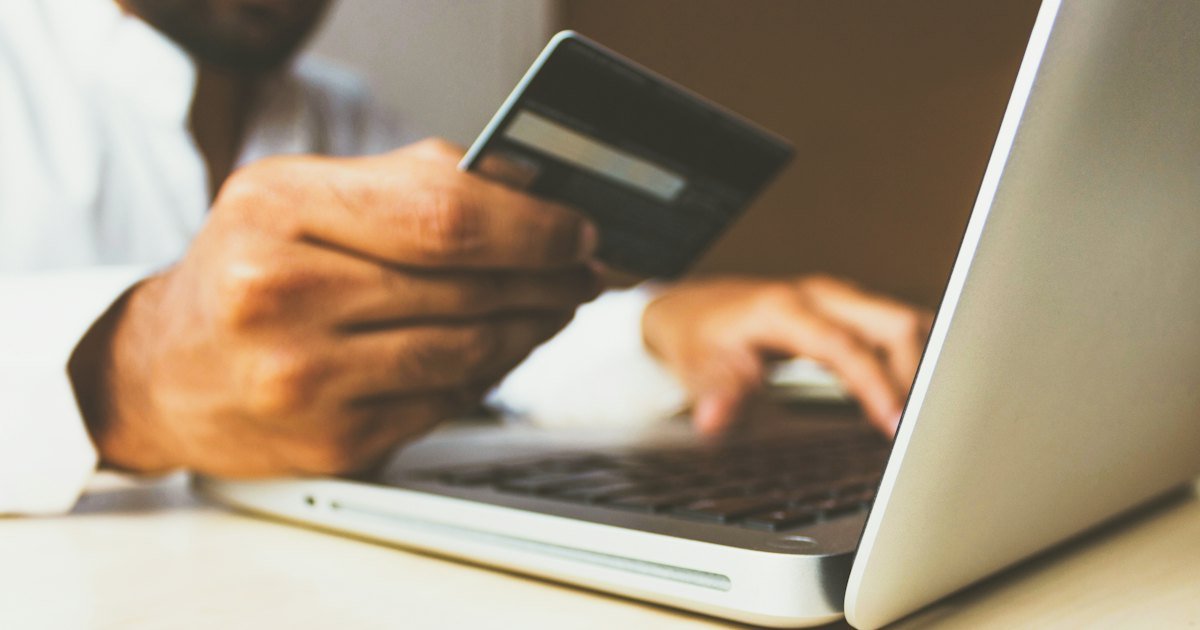
Buying gold online is now routine in the UAE and across the Gulf, from a small chain ordered as a gift to a bar bought as savings. The convenience is real, and so are the risks: sellers who do not exist, pieces that look nothing like the photos and parcels that vanish on the way.
Here are the checks to run before you pay, ending with a checklist you can reuse.
Check who you are buying from
A genuine business does not hide its identity. Look for the company's legal name, its trade licence number in the UAE or commercial registration in Saudi Arabia, a physical shop or office address, and a landline or an email address on the company's own domain.
Then verify those details yourself. UAE trade licences are issued by each emirate's economic department or a free zone authority, which usually offer an online licence lookup; in Saudi Arabia, the Ministry of Commerce lets you check a commercial registration. The licence should cover gold or jewellery trading under the shop's name.
Compare the price with the live gold rate
Every gold price has the same parts: the raw gold value (the weight multiplied by the gram price for that karat), plus the making charge, the seller's margin, VAT and delivery. Our guide to how the UAE gold rate is calculated explains the first step. As a quick reference, 1 gram of 21K gold in the UAE currently costs about 420.71 dirhams (AED).
For example, take a 10-gram 21K chain with assumed round numbers: gold at 400 dirhams per gram and a making charge of 40 dirhams per gram.
| Item | Calculation | Amount (AED) |
|---|---|---|
| Raw gold value | 10 × 400 | 4,000 |
| Making charge | 10 × 40 | 400 |
| UAE VAT (5%) | 5% of 4,400 | 220 |
| Insured delivery | Assumed fee, VAT included | 50 |
| Total | — | 4,670 |
If the chain is offered for less than 4,000 dirhams, the value of its gold alone, treat that as a warning, not a bargain. If it costs far more than the total, ask for the making charge to be itemised; our explainer on gold making charges shows how they work. In Saudi Arabia VAT is 15%, so adjust the sum.
Pay in a way that protects you
Your payment method is your last line of defence. A credit card usually lets you dispute a payment with your bank, often called a chargeback, if the goods never arrive or are not as described, within the bank's rules and time limits. Bank transfers are hard to reverse, and crypto or gift cards are almost impossible to recover.
- Pay only on the seller's official website or app, and check the web address letter by letter. A padlock icon means the connection is encrypted, not that the seller is honest.
- If you must pay by transfer, the beneficiary should be the company under its legal name, never an individual.
- Never give a one-time password (OTP) to anyone who asks for it by phone or message.
Insured shipping and taking delivery
A standard courier's liability may be limited to a small sum, so ask whether the parcel is insured for its full value and who carries the risk until delivery. A professional seller carries it until you sign.
- Insist on tracking and a signature or ID check on delivery.
- Check the packaging and security seal before signing, and note any damage on the receipt.
- Film the unboxing in one continuous video as evidence.
- Weigh the piece on an accurate jewellery scale, or at a trusted shop, and compare the weight and hallmark with the invoice.
If the seller ships from abroad, you may owe customs duty or import VAT on arrival, so ask before you buy.
The invoice and certificates
The invoice should list the description, karat, weight, price per gram, making charge and VAT, with the seller's name and address. At the time of writing (2026), a UAE invoice that charges VAT must show the seller's Tax Registration Number (TRN), and Saudi invoices carry the seller's VAT number and usually a QR code under the e-invoicing rules. Check current requirements with the Federal Tax Authority in the UAE or the Zakat, Tax and Customs Authority (ZATCA) in Saudi Arabia.
For bars and coins, check the refiner, serial number, purity and weight, and make sure the serial number on the bar matches its certificate or sealed card. Bars from a refiner accredited by a recognised market body, such as the London Bullion Market Association (LBMA), are easier to resell.
Read the returns policy first
Gold returns work differently because the price moves every minute. Some sellers refund in full within a short window if the piece is unworn; others only buy it back at the day's rate minus a deduction, and custom, engraved or resized pieces are usually excluded. Get the answers in writing: how many days you have, whether the refund is at the purchase price or the current rate, and who pays for return shipping. No written policy at all is a warning sign.
Red flags and a checklist
Stop and think again if you see any of these:
- A price below the raw gold value for the stated weight and karat.
- Countdown timers and "last piece" banners.
- No licence or address, and contact through WhatsApp only.
- Requests to pay a personal account, or in crypto or gift cards.
- A web address imitating a known jeweller, with one letter changed.
Before you pay, make sure you can tick every item:
- Licence, address and phone number verified independently.
- Price compared with the live gram rate, with the making charge, VAT and delivery understood.
- A payment method you can dispute, and no OTP shared.
- Insured shipping that needs your signature.
- A written returns policy, saved with your invoice.
For the tricks fraudsters use, see our guide to common gold scams. This is general information, not financial advice.
Frequently asked questions
Is it safe to buy gold from social media accounts?
It can be, if the account belongs to a licensed shop and you pay by a method you can dispute. Confirm the account by calling the shop on a number from its official website, and ignore follower counts, which can be bought.
Should I pay by card or cash on delivery?
A credit card generally gives better protection because you can dispute the payment. Cash on delivery only helps if the courier lets you inspect the piece first, which is not always allowed. Ordering online and collecting in store, where you can weigh the piece first, is safest.
What if the piece arrives lighter or in a different karat?
Record it with photos and the unboxing video, and contact the seller in writing. If that fails, dispute the payment with your bank and complain to consumer protection: in the UAE, the emirate's economic department; in Saudi Arabia, the Ministry of Commerce.
Buying online is not so different from buying in a souk, the traditional Gulf market: know the seller, know the price and keep the evidence.