Gold Bar Sizes and Premiums: From 1 Gram to the Kilo Bar
Ask for a gold bar at a Dubai jeweller or bullion dealer and you will be offered sizes from a single gram up to a full kilo. The real question is not only how much you want to spend, but how much you will pay above the value of the gold itself, and how easily you can sell the bar later.
This guide covers the common sizes, explains why the extra cost per gram falls as bars get bigger, compares minted and cast bars, and lists the packaging and paperwork a bar should come with.
Common bar sizes
Refiners produce bars in standard sizes. The ones you will see most often in the Gulf are:
- 1 g and 2.5 g: the smallest bars, popular as gifts and for saving small sums.
- 5 g, 10 g and 20 g: favourites with individual savers, since you can sell one without touching the rest.
- 1 troy ounce (31.10 g): the unit in which gold is priced worldwide, made by most major refiners.
- 50 g and 100 g: a step towards a lower cost per gram while staying within reach of many savers.
- 10 tola (116.64 g): the “TT bar”, a staple in the UAE, the wider Gulf and South Asia. The tola is a traditional South Asian unit of about 11.66 g.
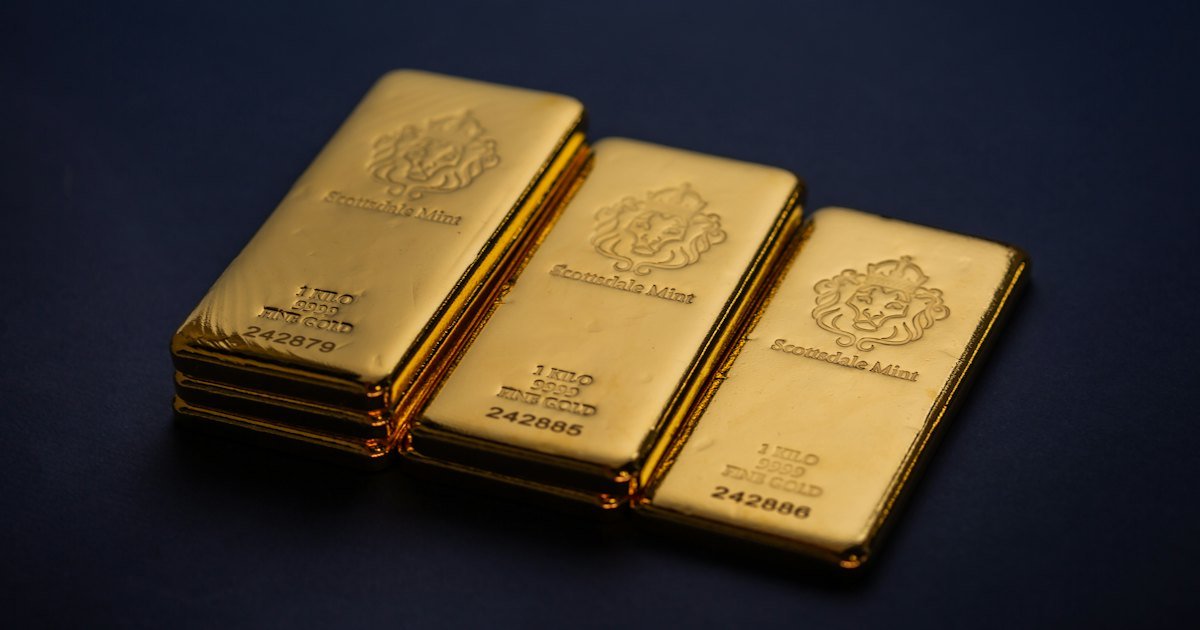
- 1 kg: the workhorse of the trade, dealt widely between merchants and larger investors.
Other sizes such as 250 g and 500 g exist, while the large bars of about 12.4 kg that banks and central banks trade are not normally sold to individuals.
To put live numbers on this: one tola of pure gold at the global spot price is worth 5,608.05 dirhams right now, so the gold in a 10-tola bar is worth about ten times that, and a kilo is worth 480,807.59 dirhams before any premium. Retail bars are 999.9 or 999 fine, so their gold value sits a hair below these figures.
Why the premium per gram falls as size rises
Every bar carries costs that barely change with its weight: preparing the gold to specification, cutting and striking or casting, assaying, stamping a serial number, packaging and certification, then shipping, insurance and the dealer’s margin. A 1 g bar needs almost as much handling as a 20 g bar.
In a large bar those fixed costs are spread across many more grams, so the premium per gram shrinks. Big bars also trade between professionals on thin margins. Premiums move with demand, refiner brand and market conditions, and on small bars they can jump noticeably when buying is heavy.
Worked example with hypothetical premiums
The table below is an example only: the premiums are hypothetical, not any shop’s actual prices. It assumes pure gold costs 500 dirhams a gram.
| Bar size | Hypothetical premium | Price per gram (AED) | Approximate bar price (AED) |
|---|---|---|---|
| 1 g | 8% | 540 | 540 |
| 2.5 g | 6% | 530 | 1,325 |
| 5 g | 5% | 525 | 2,625 |
| 10 g | 4% | 520 | 5,200 |
| 20 g | 3.5% | 517.50 | 10,350 |
| 1 oz (31.10 g) | 3% | 515 | 16,018 |
| 50 g | 2.5% | 512.50 | 25,625 |
| 100 g | 2% | 510 | 51,000 |
| 10 tola (116.64 g) | 2% | 510 | 59,486 |
| 1 kg | 1% | 505 | 505,000 |
On these figures, buying 100 g as a hundred 1 g bars costs 54,000 dirhams, against 51,000 dirhams for a single 100 g bar: 3,000 dirhams more for the same gold. That extra buys flexibility, because you can sell small bars one at a time.
Liquidity: how easily you can sell
Ease of sale depends on more than size: the refiner’s reputation, intact packaging and an invoice matter just as much. Small bars are easy to sell piecemeal and have plenty of buyers, though the buy-back discount on them may be larger in percentage terms.
The 10-tola bar is recognised throughout the UAE and the Gulf and by South Asian communities, which makes it easy to sell in the gold souk, the traditional market district. Kilo bars trade heavily between dealers, but you need a buyer with enough cash, and a dealer may want to assay a bar that has no certificate or comes from an unfamiliar refiner, which takes time and may cost a fee.
Mixing sizes can give you some of both advantages. Someone planning to save 150 g might, for instance, choose one 100 g bar, two 20 g bars and one 10 g bar: a lower premium on most of the gold, with small pieces to sell if the need arises.
Minted versus cast bars
Minted bars
Blanks are cut from rolled gold strip to exact dimensions and struck with a die under high pressure. The result is a shiny surface, sharp edges and identical dimensions, usually sealed in tamper-evident packaging. Minting is common for sizes up to about 100 g; it costs more, and that shows in the premium.
Cast bars
Molten gold is poured into a mould and left to cool, then stamped with the refiner’s mark, weight, purity and serial number. The surface is rougher, and slight ripples or irregularities are normal. Casting is cheaper, so it dominates larger sizes such as 100 g, 10 tola and 1 kg, though small cast bars exist too.
Neither type contains more gold than the other; what counts is the weight and purity stamped on the bar. The choice comes down to budget and taste.
Packaging and certificates
A good bar normally shows the refiner’s name or logo, its weight, its purity (such as 999.9 or 999) and often a serial number. Minted bars usually come in a sealed assay card printed with the same number, so check that the two match and leave the seal intact: a buyer may test a bar that is out of its packaging, or offer less for it.
Cast bars usually come with an assay certificate from the refiner. Whatever the bar, keep an invoice listing weight, purity, serial number, price and VAT. Many buyers prefer bars from refiners on internationally recognised accreditation lists, such as the London Bullion Market Association’s Good Delivery list, because they are easier to resell. Our Dubai gold buying checklist covers the checks to make in the shop.
Choosing the right size
- Set your budget and horizon. The bigger the sum and the longer you hold, the more a lower premium matters.
- Think about partial sales. If you might need part of the money, do not put everything into one bar.
- Compare price per gram, not price per bar. Divide the total by the weight and compare the result with the live 24K gold price at the same moment.
- Ask for buy-back prices for each size, from more than one dealer.
- Check the invoice and VAT. In the UAE, investment gold of 99% purity or more is zero-rated for VAT under conditions, so make sure the invoice reflects this.
To see how shops build their prices from the global rate, read how the gold rate in the UAE is calculated. This guide is general information to help you compare, not investment advice.
Frequently asked questions
Is a kilo bar always the better buy because its premium is lower?
Not necessarily. It costs less per gram, but it needs a large sum up front, cannot be sold in part and requires secure storage and possibly insurance.
What is the difference between 999 and 999.9 bars?
Both are 24K. A 999.9 bar contains just 0.09 percentage points more gold, under a gram per kilo. The price difference is small, and some markets and refiners favour one standard over the other.
Does opening the packaging reduce a bar’s value?
The weight and purity of the gold do not change, but some buyers will want to test a bar that is out of its sealed card or will offer a lower price, so it is best left sealed.
The right size balances purchase cost, ease of resale and your own circumstances. Compare before you buy, and check the live price before any deal.