Gold Market Glossary: Key Terms Every Gulf Buyer Should Know
Follow gold prices for a week, or stand at a counter in the souk, and you will hear words like spot, spread, four nines and tola. Knowing what they mean makes it easier to compare prices, read an invoice and ask the right questions before you buy or sell.
This glossary collects the terms that come up most often on our site and in Gulf gold markets, grouped by theme: prices, purity, weights, bars and trading, technical analysis and a few local terms.
Price terms
- Spot price: the price of gold for near-immediate delivery on the international market, quoted in US dollars per troy ounce. Daily gram rates in shops are built on it.
- Ask and bid: the ask (or offer) is what you pay when you buy from a dealer; the bid is what the dealer pays when you sell. The ask is always the higher of the two.
- Spread: the gap between ask and bid at the same moment. It is part of the dealer’s margin and a cost to you if you buy and later sell.
- Premium: the amount charged above the raw gold value of a bar or coin, covering casting, minting, packaging and distribution.
- Making charge: the fee for crafting jewellery, charged per gram or as a flat amount per piece. It is rarely refunded when you sell.
- LBMA Gold Price: a benchmark set twice a day in London through an electronic auction, used by banks and refiners as a reference in their contracts.
For example, 1 gram of 24K worked out from the spot price is 459.02 dirhams right now. A shop’s selling price adds the dealer’s margin, and on jewellery the making charge and VAT as well.
Purity terms
- Karat: the share of pure gold in a piece, out of 24 parts. 21K means 21 parts gold and 3 parts other metals.
- Fineness: purity in parts per thousand. 875 means 87.5% gold, which is 21K; 750 is 18K.
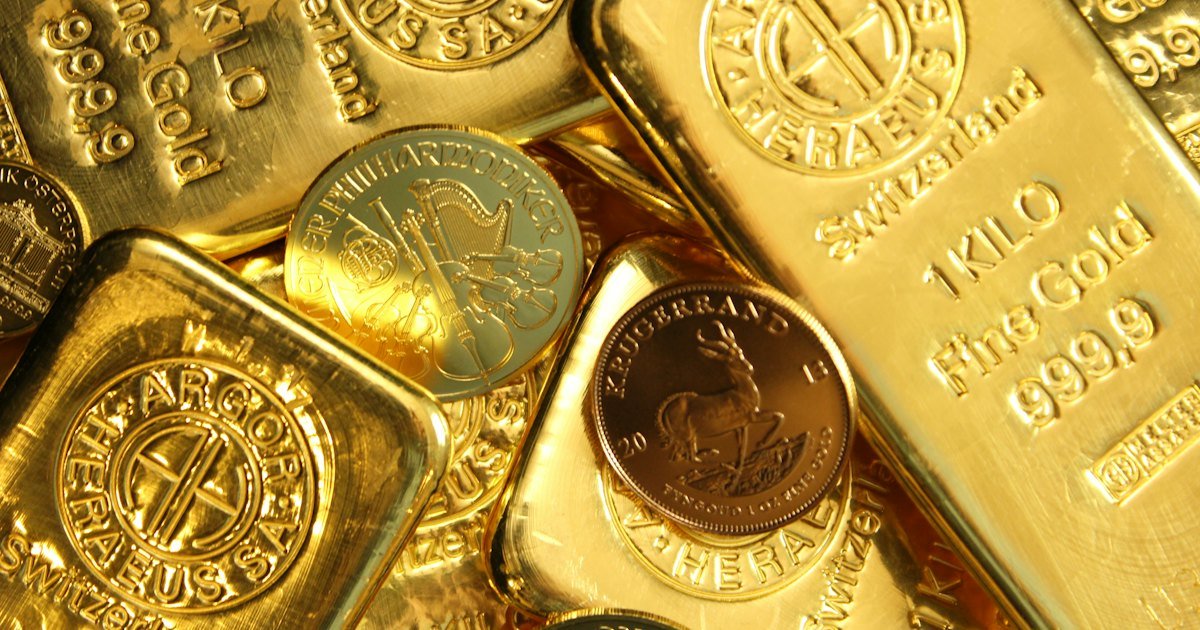
- Four nines (999.9): 99.99% purity, the standard for most small investment bars.
- Hallmark: a small stamp on a piece showing its karat and sometimes the maker or assay office. With your invoice, it helps confirm you paid for the purity you received.
- White and rose gold: gold alloyed with other metals to change its colour. The karat stamped on the piece still tells you its gold content.
For a fuller comparison of the karats sold in the Gulf, see 24K, 22K, 21K or 18K? Gold karats explained.
Weight terms
| Unit | Grams | Where you meet it |
|---|---|---|
| Gram | 1 | Shop prices across the Gulf |
| Troy ounce | 31.1035 | International prices, bars and coins |
| Tola | 11.6638 | Gold trading in the Gulf and South Asia |
| Ten-tola bar (TT bar) | 116.64 | A popular bar in Gulf markets |
| Kilo | 1,000 | Wholesale trade and larger savings |
Note that the troy ounce used for precious metals is heavier than the everyday ounce of about 28.35 grams, so never mix the two when converting prices.
Bar and trading terms
- Good Delivery: the London Bullion Market Association (LBMA) standard for the large bars traded between banks, setting rules on weight, purity and accepted refiners.
- Accredited refiner: a refiner that meets the standards of a body such as the LBMA. A recognised name makes a bar easier to resell.
- Assay certificate: the card or certificate that comes with a bar, stating its weight, purity and serial number.
- Allocated and unallocated: with allocated gold you own specific, numbered bars; with unallocated gold you have a claim on an amount of metal held by the provider, not particular bars.
- Gold ETF: an exchange-traded fund that tracks the gold price. You own shares in the fund, not metal in your hand.
- Futures: exchange contracts to buy or sell gold at a later date at a price agreed today, explained in our guide to gold spot prices vs futures.
Technical analysis terms
- Trend: the general direction of the price over a period: up, down or sideways.
- Support and resistance: price levels where falls or rises have stalled in the past.
- Moving average: the average closing price over a set number of days, used to smooth out daily noise and read the trend.
- RSI (Relative Strength Index): a reading from 0 to 100 that measures how fast the price has moved recently; above 70 is called overbought and below 30 oversold.
- Volatility: how much the price swings up and down over a period. The higher it is, the wider the gap between the day’s high and low.
These tools describe what has already happened; they do not predict what comes next. Our guide to gold technical indicators goes into more depth.
Terms you will hear in Gulf markets
- Gold souk: a traditional market where gold shops cluster, such as the Gold Souk in Deira, Dubai.
- Set: a matching group of pieces, usually a necklace, earrings, bracelet and ring, often bought for weddings.
- Scrap gold: used or broken gold sold by weight and karat to be melted down.
- Zero-rated investment gold: in the UAE, investment gold of 99% purity or higher is zero-rated for VAT under certain conditions, while jewellery carries 5%, as at the time of writing (2026). Check the Federal Tax Authority for current rules.
Frequently asked questions
What is the difference between karat and fineness?
They describe the same thing in two ways. Karat divides a piece into 24 parts, while fineness expresses purity in parts per thousand. So 18K is the same as 750 fineness: 75% gold.
Why is a shop’s buying price lower than its selling price?
The dealer needs a margin to cover costs and the risk of price moves until the gold is resold or melted. So at any moment the price offered to you is below the price charged to you.
Is the tola an official unit?
The tola is a traditional unit from the Indian subcontinent that remains common in Gulf gold trading, especially for the ten-tola bar. The weight used in the trade is 11.6638 grams.
Keep this glossary handy and come back to it whenever an unfamiliar word appears on an invoice or a price board. It is general information, not financial advice.