Buying Silver in the UAE: Purity, Bars, Coins and Jewellery
Silver has been saved and worn for thousands of years, and it is still easy to find in UAE and Gulf shops as rings, sets, tableware and bars. Buying it is not quite like buying gold, though: the price of a silver piece can be far removed from the value of the metal inside it.
This guide covers the purity grades, the forms silver comes in, how to work out metal value from the live price, why making charges are so high, how VAT applies and how to keep silver from tarnishing.
999 fine or 925 sterling?
Fine silver (999) is 99.9% silver and is used for bars and most bullion coins. It has a bright white colour but is soft, scratching and bending easily, so it is poorly suited to jewellery worn every day.
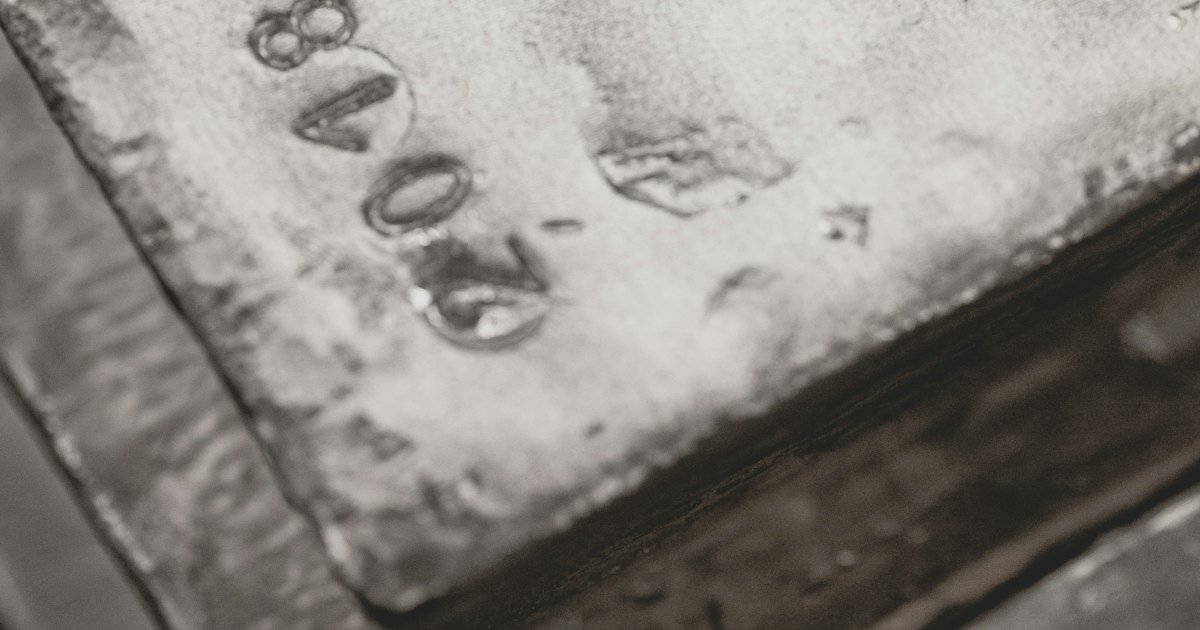
Sterling silver (925) is 92.5% silver, with the rest usually copper for strength. It is the normal standard for rings, chains, sets and good tableware. You may also see other stamps, such as 900 on some older coins or 800 on older European pieces.
Watch out for misleading names. "Nickel silver", also called German silver, is an alloy of copper, nickel and zinc with no silver in it at all, and "silver-plated" items have only a thin coating over another metal. Look for a purity stamp on the piece and ask for the grade to be written on the invoice.
Bars, coins or jewellery?
Bars
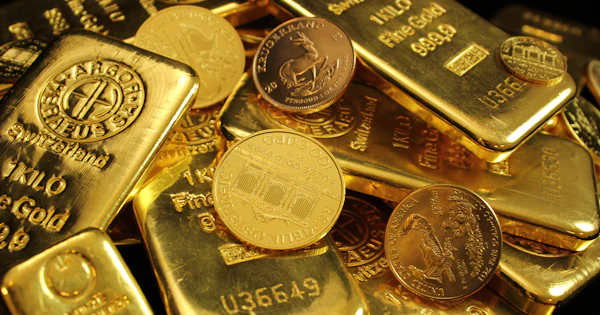
Silver bars usually range from one ounce up to a kilogram and beyond. The bigger the bar, the lower the premium per gram tends to be, but a kilo bar needs more money up front and somewhere safe to keep it. Choose bars from recognised refiners that show the weight, purity and refiner's name.
Coins
Government mints in many countries issue silver bullion coins, most commonly in one-ounce sizes. Premiums are usually higher than on bars because of minting and design costs, but the coins are recognised worldwide and easy to verify. Avoid cleaning them or touching their faces with bare fingers, as scratches and marks can lower what a buyer will pay.
Jewellery
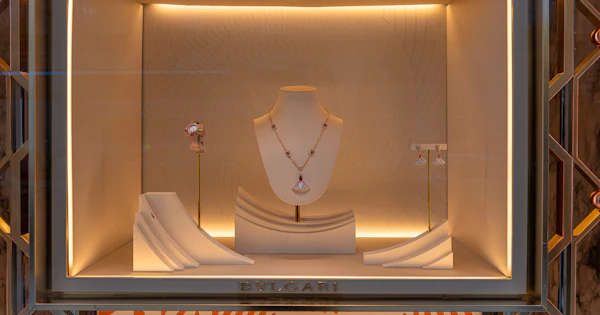
Silver jewellery and decorative pieces are bought to use and enjoy rather than to save. Their price depends on design, workmanship and brand far more than on metal weight, so do not expect to get that price back when you sell.
Metal value and making charges
Working out the metal value
At the live global price, a gram of fine silver is about 5.74 AED and a kilo about 5,744.28 AED. To find the silver value of a sterling piece, multiply its weight by 0.925 and then by the price per gram. Our live silver prices page shows the rate per gram and per ounce in every Gulf currency.
Why making charges are so high
Making a silver ring takes roughly the same time and skill as making a similar gold ring, and the shop pays the same rent and wages. But the metal in a silver piece is worth little, so workmanship and the shop's margin become most of the price. For example, with hypothetical prices:
| Item | 925 silver necklace | 21K gold necklace |
|---|---|---|
| Weight | 15 g | 15 g |
| Hypothetical metal price | 10 AED per gram of fine silver | 525 AED per gram of 21K |
| Metal value | about 139 AED | 7,875 AED |
| Hypothetical price before VAT | 450 AED | 8,625 AED |
| Metal's share of the price | about 31% | about 91% |
The gold example assumes a making charge of 50 AED per gram. In practice, when you sell a silver piece later you will usually get the metal value at most, if the shop buys silver jewellery at all. Our guide to gold making charges explains how these charges are set more generally.
VAT on silver
At the time of writing (2026), silver jewellery in the UAE carries 5% VAT on the full price, making charges included. Investment silver of 99% purity or more, in bars or coins tradable on international bullion markets, can be zero-rated under conditions set by the Federal Tax Authority.
Saudi Arabia's standard rate is 15%, and ZATCA, the Saudi tax authority, applies a zero rate to investment metals of 99% purity or more under specific conditions. Bahrain charges 10% and Oman 5%, while Kuwait and Qatar had not introduced VAT at the time of writing. Rules change, so check with the official tax authority in your country and ask for a tax invoice.
Caring for silver and preventing tarnish
Tarnish is a thin dark layer that forms when silver reacts with sulphur compounds in the air, and humidity speeds it up. It makes no practical difference to the metal value, but it dulls the shine. Some sterling jewellery is rhodium-plated to resist tarnish, and that plating can wear off with use.
- Store silver in airtight bags or boxes lined with anti-tarnish cloth, away from humidity.
- Keep it away from rubber, wool and sulphur-rich foods such as eggs and onions.
- Take jewellery off before swimming in chlorinated pools or using cleaning products, and put perfume on before your jewellery, not after.
- Clean jewellery with warm water, mild soap and a soft cloth or silver polishing cloth, and avoid abrasive powders.
- Do not clean bullion coins or bars, and hold coins by their edges.
Before you pay: a short checklist
- Decide your goal: saving points to 999 bars or coins, wearing to 925 jewellery.
- Check the live price per gram and work out the metal value before you negotiate.
- Ask for the exact weight and purity stamp, and whether the price is per gram or per piece.
- Ask about the buy-back policy and the price the shop pays compared with spot.
- Get a tax invoice listing weight, purity, price and VAT, and keep it.
This is general information to help you buy with your eyes open, not financial advice.
Frequently asked questions
How can I tell if a piece is real silver?
Start with the purity stamp (925 or 999), the invoice and the shop's reputation. Silver is not magnetic, so a piece that snaps onto a magnet is not solid silver, but passing the magnet test does not prove a piece is genuine. For certainty, ask a laboratory or trusted dealer to test it.
Is silver jewellery a good investment?
Usually not, because most of the price is workmanship and design. For saving, bars and coins sit much closer to metal value; our comparison of gold and silver for saving sets out the trade-offs.
Why is the shop price different from the price on this site?
The price on this site is the value of pure silver at the global rate. A shop adds making charges, premiums, its margin and VAT, and often prices by the piece rather than by the gram.
Buy silver knowing what you are paying for: metal whose price changes by the minute, and craftsmanship that has a price of its own.